html Multiple tooth replacement with implants

© Copyright 2025 MISKOLC IMPLANT - All Rights Reserved

Replacing several teeth with implants.

A stable, natural solution for replacing several adjacent missing teeth.

Missing several teeth affects not only the appearance of the smile but also chewing, speech and the stability of the dentition. With modern implant solutions, missing teeth can be replaced with natural-looking fixed restorations.

MISKOLC IMPLANT

Multiple tooth replacement with implants

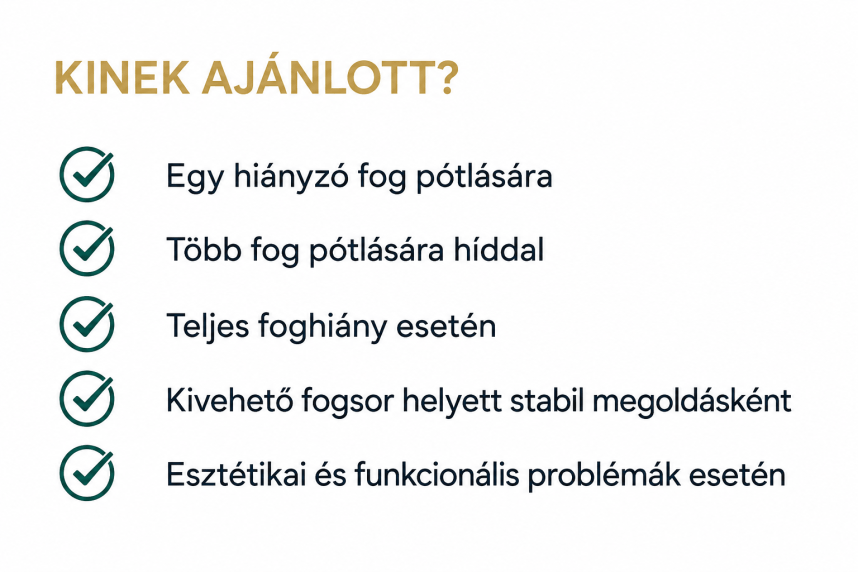
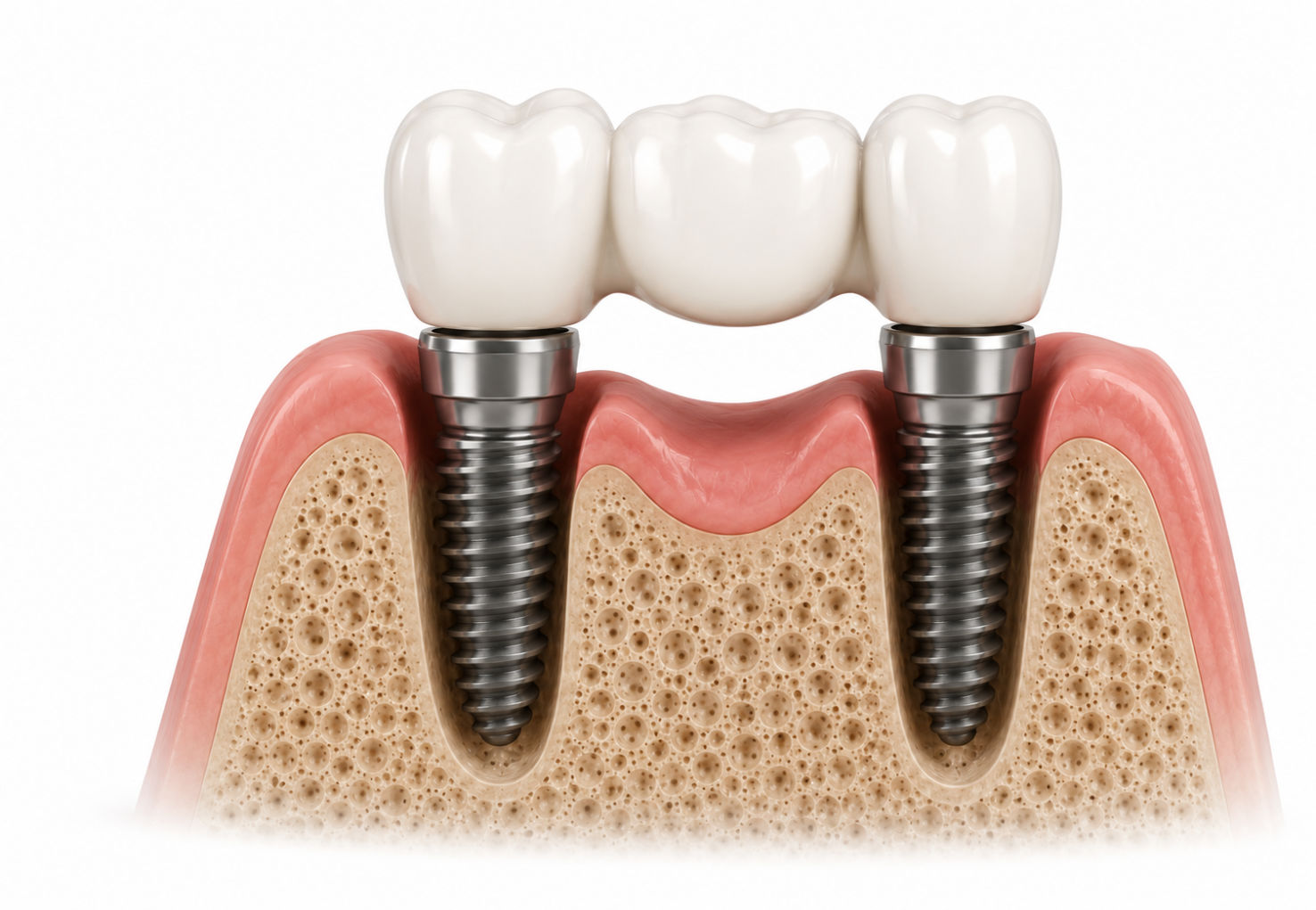
If two or more adjacent teeth are missing, it is not always necessary to place an implant for every missing tooth. With adequate bone and favourable anatomy, an implant-supported bridge can be a stable, aesthetic and long-term solution.

Implants replace the lost tooth roots, so the restoration is not supported by neighbouring teeth but is anchored directly in the jawbone. This avoids preparing healthy teeth while chewing forces are once again transmitted naturally to the bone. We do not connect implants to natural teeth.

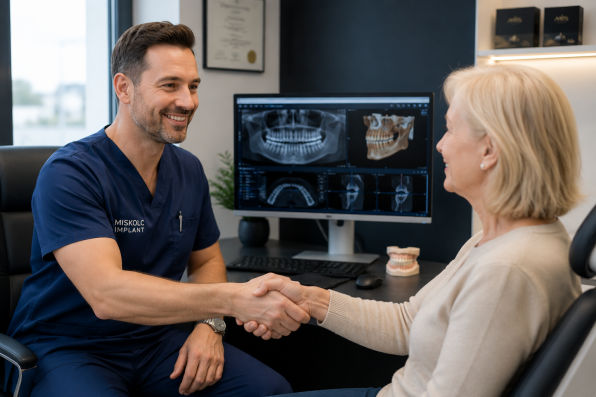
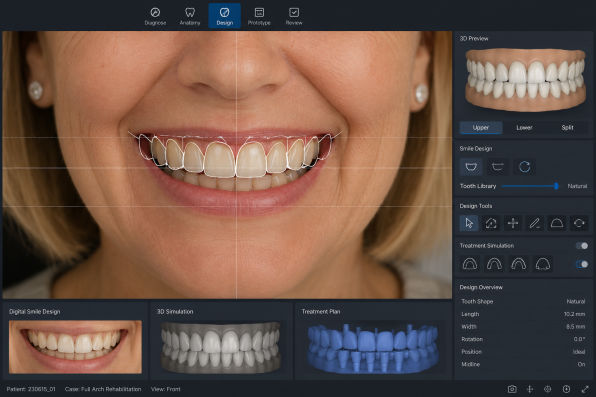
Treatment is always preceded by a 3D CBCT scan, digital implant planning and a detailed consultation. Based on this, we determine the ideal number, size and position of implants to achieve a long-term stable and aesthetic result.

Under suitable conditions, implants can even be placed at the time of tooth removal, and in selected cases an immediate temporary restoration can also be made.
Treatment steps

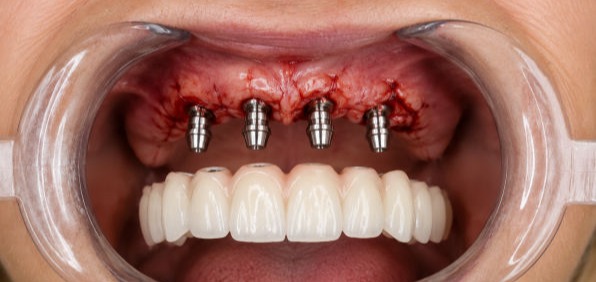
Implant-supported bridge for multiple missing teeth
MISKOLC IMPLANT
Consultation 

We assess the amount of bone, take a 3D scan and prepare a personalised treatment plan.

MISKOLC IMPLANT
Planning

First we digitally design the final restoration, then use backward planning to position the implants according to the ideal prosthetic result.

MISKOLC IMPLANT
Implant placement

The titanium implants are placed painlessly under local anaesthesia.

MISKOLC IMPLANT
Aesthetic and functional restoration

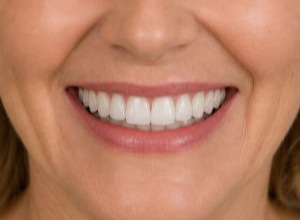
Premium metal-free zirconia restoration for a natural smile and maximum aesthetic result.

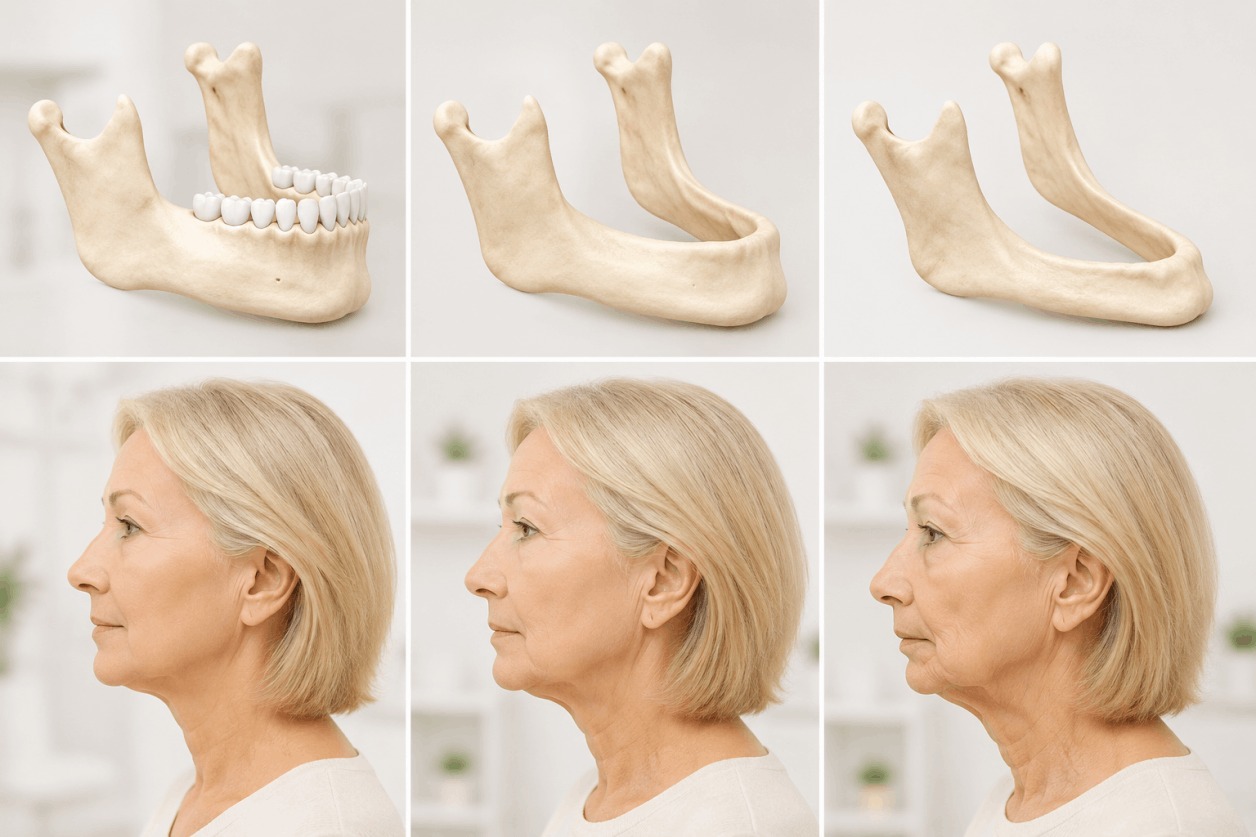
Jawbone changes after tooth loss

MISKOLC IMPLANT

Teeth are not only important for chewing; they also provide continuous stimulation to the jawbone. After a tooth is lost, this stimulation disappears and gradual bone resorption begins in that area.

As bone volume decreases, the natural support of the face is gradually lost. The lips and cheeks may collapse, the chin may appear more prominent, wrinkles deepen and the lower facial height decreases, making the face look older and more tired. With extensive tooth loss these changes become even more pronounced.

Tooth loss may cause neighbouring teeth to tilt into the gap, while opposing teeth may over-erupt. This disrupts bite balance and can lead to uneven chewing forces, increased tooth wear, jaw joint problems and further tooth loss over time.

Poor chewing can also affect digestion. Larger bites and insufficient chewing may contribute to stomach and digestive complaints, bloating, reflux or digestive difficulties.

Replacing missing teeth early, especially with dental implants, transfers chewing forces back through the jawbone. This may help slow bone loss, preserve natural facial contours, restore the bite and support healthy chewing function long term.

MISKOLC IMPLANT
MISKOLC IMPLANT
MISKOLC IMPLANT