html
You do not always have to wait months after tooth extraction for an implant. With suitable anatomy, the implant can often be placed at the same time as tooth removal and may even receive an immediate temporary restoration. Our aim is that you do not remain without a tooth whenever possible.
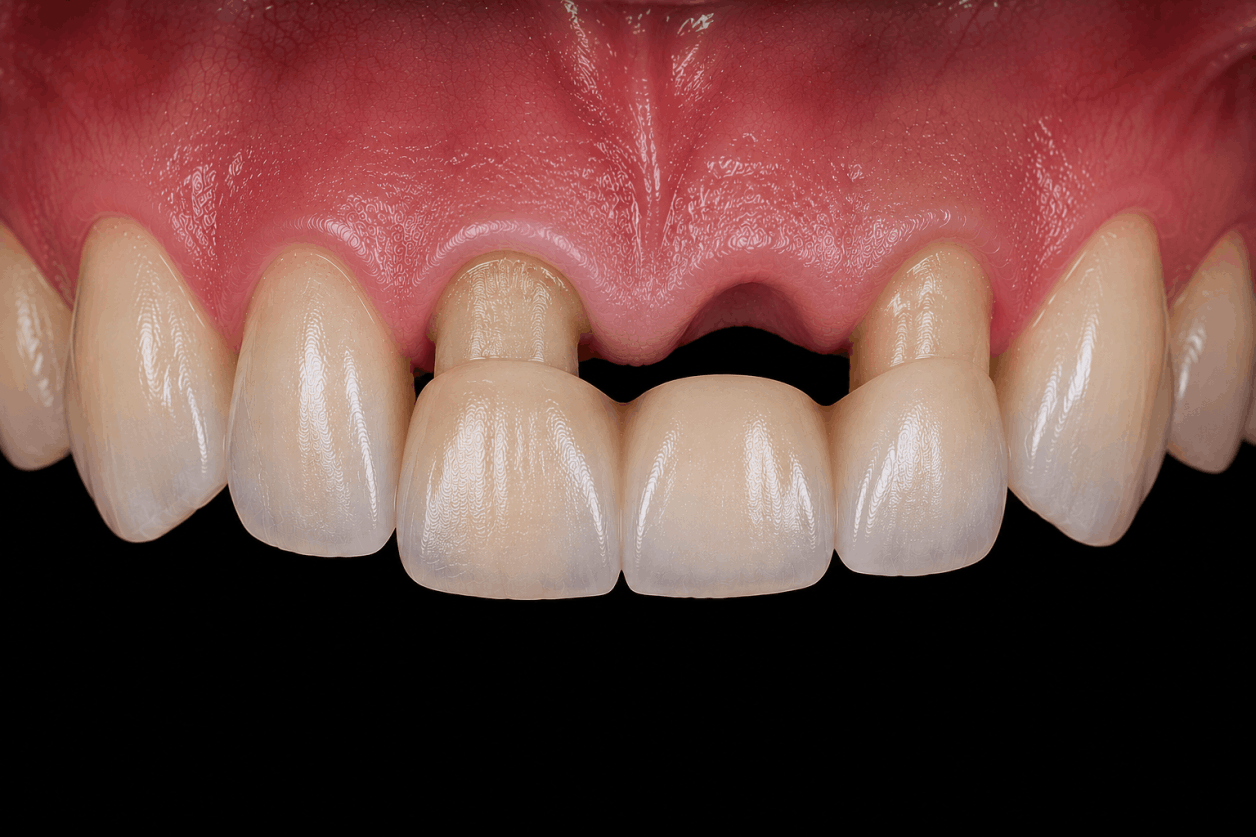
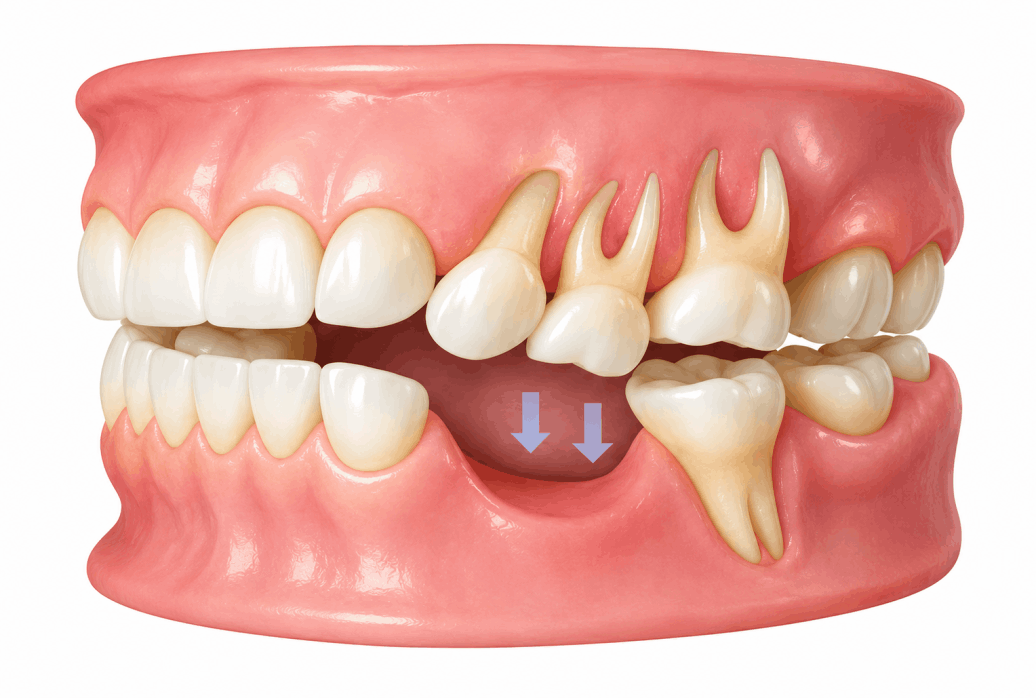
Losing even a single tooth is not only an aesthetic problem. After extraction, the jawbone in that area no longer receives proper stimulation, so gradual bone loss begins. In the first months, both bone width and height may decrease, which can later make implant placement more difficult or unnecessarily complex.
Because of the gap, neighbouring teeth can gradually tilt into the space, while the opposing tooth may slowly over-erupt because it has lost its natural support. These changes can lead to bite problems, uneven chewing forces, increased tooth wear and more difficult cleaning.
Untreated tooth loss can disturb the balance of the entire dentition over time, increasing the risk of further tooth loss, gum disease and jaw joint complaints.
Today, a dental implant is one of the most natural tooth replacement options. It not only replaces the missing tooth but also helps preserve the jawbone, stabilise the bite and support the long-term health of the dentition. This is why replacing a missing tooth early is important not only aesthetically but also medically.
✔ Healthy teeth do not need to be prepared
✔ Helps preserve bone volume
✔ More natural appearance
✔ Easier to clean
✔ Long-term solution
✖ Healthy teeth must be prepared
✖ Bone may continue to resorb
✖ More difficult to clean
✖ Teeth under the bridge may be damaged
✖ May need replacement over time
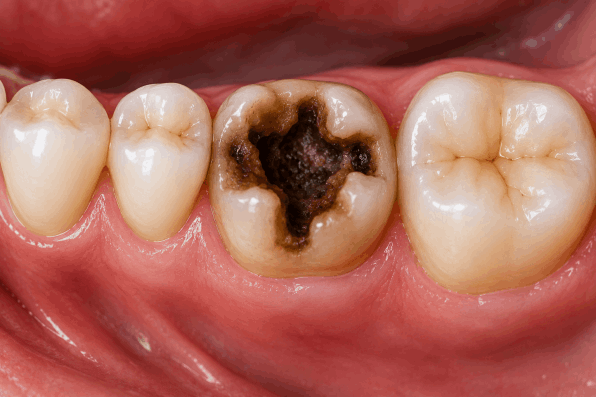
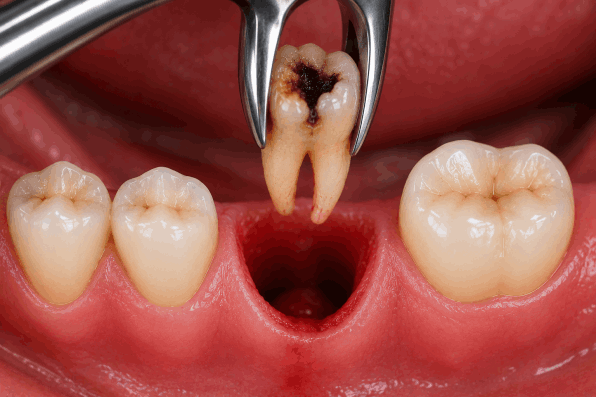
A severely damaged tooth may no longer be restorable long term and needs to be removed.
The tooth is removed gently with modern anaesthesia, preserving as much bone and gum tissue as possible.
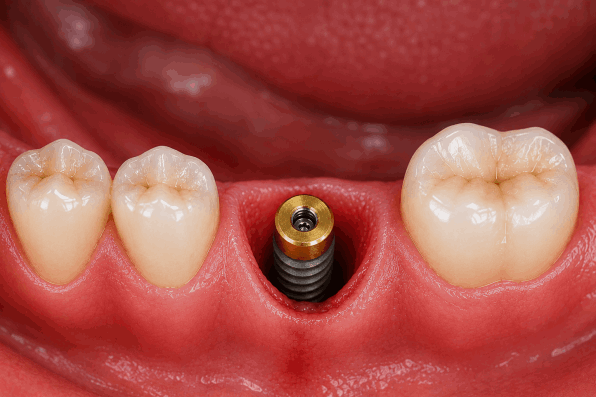
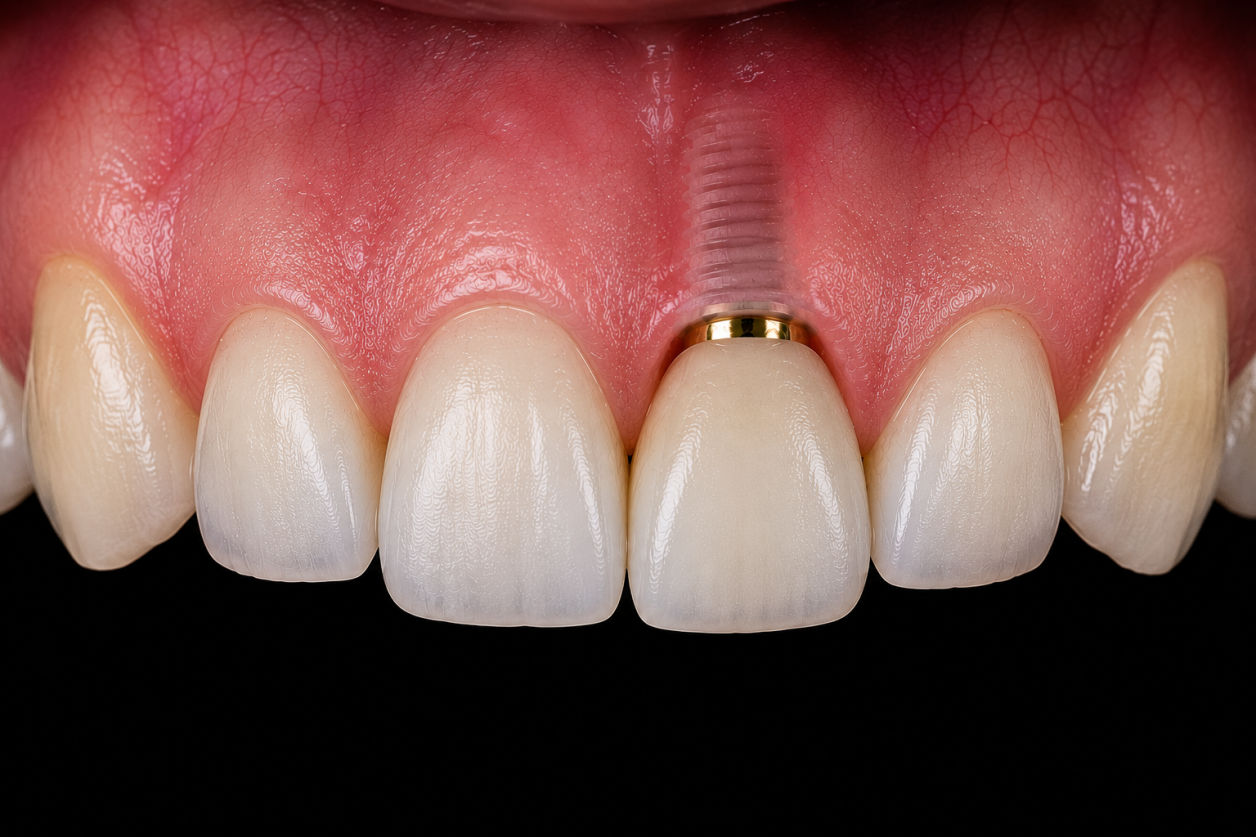
The titanium implant is placed immediately after extraction in the most ideal position possible, providing a stable foundation for the future restoration.
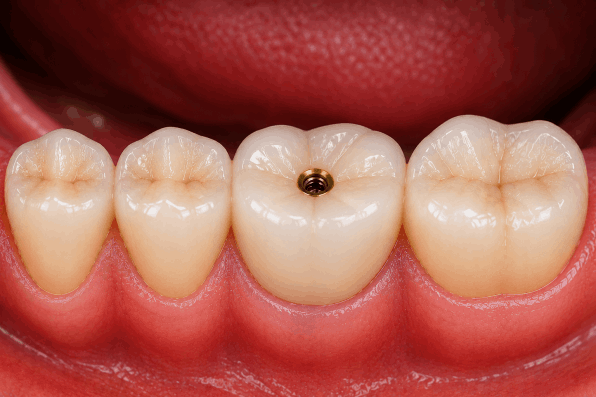
An immediate temporary restoration can often be made during surgery. The restorations are screw-retained.
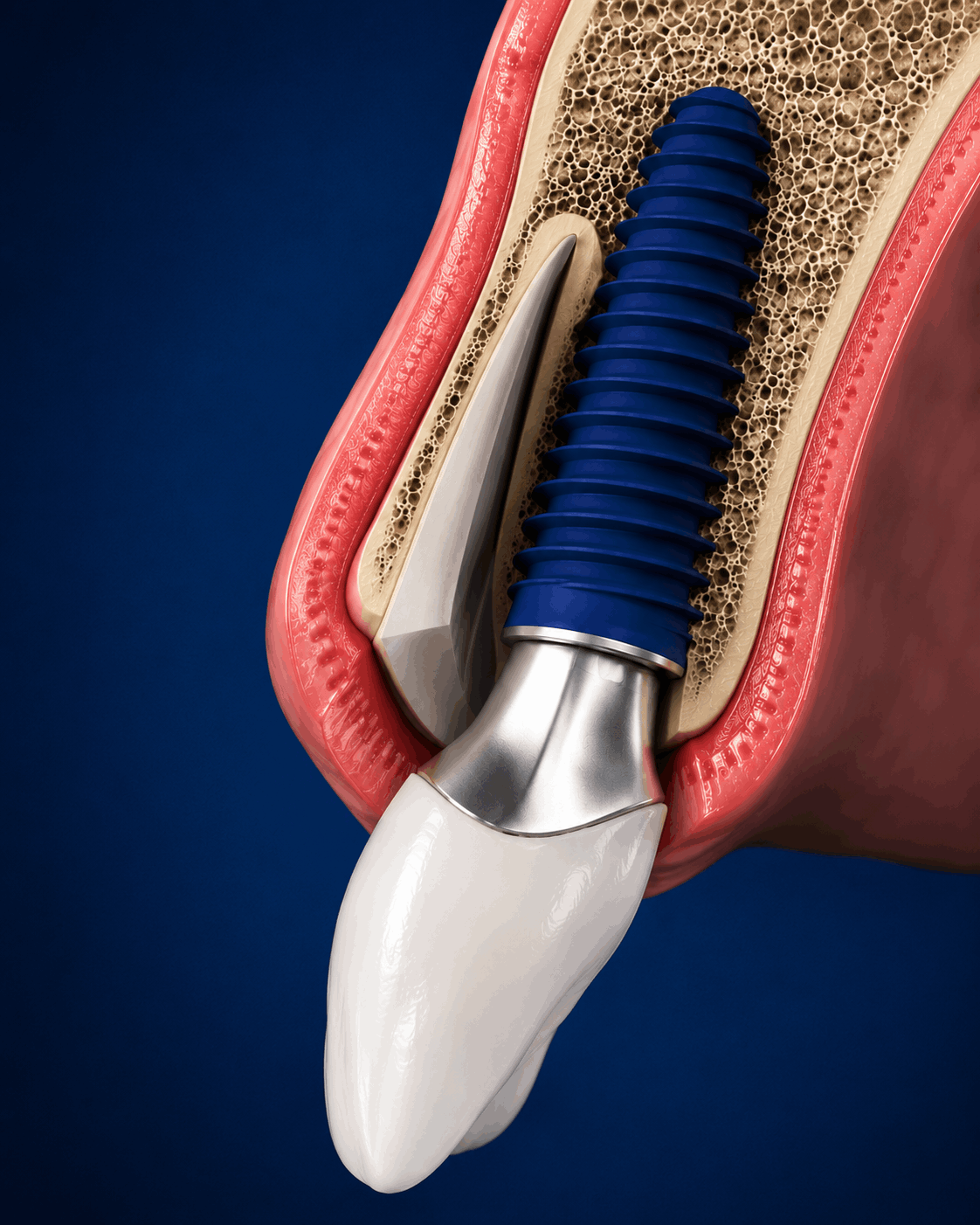
The Socket Shield technique is one of the advanced surgical procedures in modern implantology. Its aim is to minimise bone and gum shrinkage after tooth extraction, especially in the aesthetic zone. During the procedure, a thin outer part of the tooth root is left in place while the implant is placed directly into the socket.
This helps preserve the natural blood supply and surrounding bone, reducing the risk of gum recession or resorption of the outer bone plate. The result can be a more natural gum contour, a more harmonious smile and an even more aesthetic implant restoration.
The Socket Shield technique is only suitable for carefully selected cases. The decision is always based on a detailed clinical examination and 3D CBCT scan, as not every tooth or anatomical situation is appropriate.
When performed with surgical experience, the Socket Shield technique can be an excellent option for patients seeking the most natural aesthetic result in front-tooth implant treatment.